


Interdisciplinary Conference
TABOO - TRANSGRESSION - TRANSCENDENCE
in Art & Science
Vienna, September 14-17 2027
Scientific & Artistic Committee
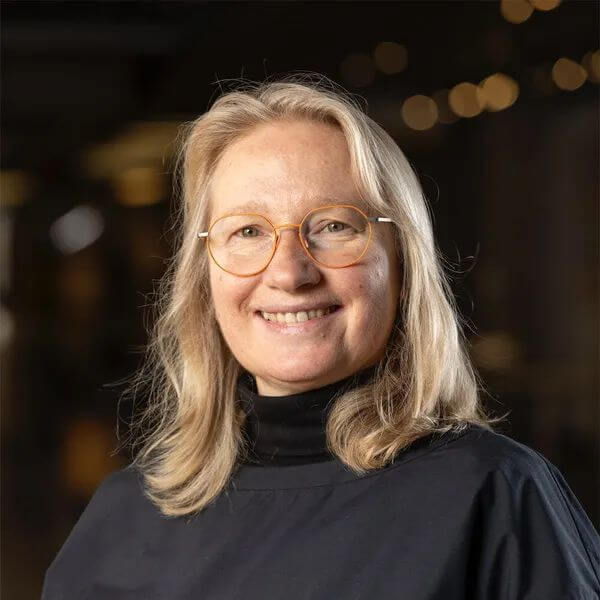
Irina Aristarkhova, PhD., is a scholar and writer who is interested in cultural transformations and new forms of thinking, making, and being. Her ongoing research and teaching encompass comparative feminist theory, digital and technoscience studies, and contemporary aesthetics. Among Aristarkhova’s publications, monographs Hospitality of the Matrix: Philosophy, Biomedicine, and Culture (Columbia University Press, 2012) and Arrested Welcome: Hospitality in Contemporary Art (University of Minnesota Press, 2020, Open Access at JSTORE), develop novel feminist approaches to theory and practice of hospitality. In Russian, Aristarkhova edited and contributed to the book Woman Does Not Exist: Contemporary Studies of Sexual Difference (1999), and the Russian translation of Luce Irigaray’s An Ethics of Sexual Difference (2005). In 2002-2005, Irina Aristarkhova, together with Faith Wilding, Coco Fusco, and Maria Fernandez, ran “Undercurrents,” a list-serve on cyberfeminism, new technologies, colonialism and globalization. Prior to Michigan, Aristarkhova held faculty positions at the Pennsylvania State University, University Park (joint appointment at the Department of Women’s, Gender and Sexuality Studies, and School of Visual Art) and National University of Singapore (Department of Communications and New Media and the University Scholars Program, where she directed Cyberarts and Cyberculture Research Initiative, 2001-2005).
In 2021, Aristarkhova chaired the 34th Conference of Society for Literature, Science, and the Arts, that took place virtually during the pandemic. In 2021-2022 she was the Interim Director of the Digital Studies Institute, and in 2024, Aristarkhova assumed a three-year appointment as a Co-Editor of Catalyst: Feminism, Theory, Technoscience. Most recently, Aristarkhova edited and contributed to UnMyth: Works and Worlds of Mithu Sen, the first artist monograph of this leading contemporary Indian artist (2025), and in 2026, she co-authored Night Sweats: Cyberfeminist Practices, which came out of Palgrave's Bioart book series and builds on the legacy of subRosa, a cyberfeminist art collective. At the University of Michigan, Aristarkhova is a Professor at the Penny W. Stamps School of Art & Design and the Digital Studies Institute (College of Literature, Science, and the Arts), and is a Faculty Affiliate at Department of American Culture, ESC: Center for Ethics, Society and Computing, Institute for Research on Women & Gender, Center for Russian, East European & Eurasian Studies, and Center for Southeast Asian Studies.
(US)
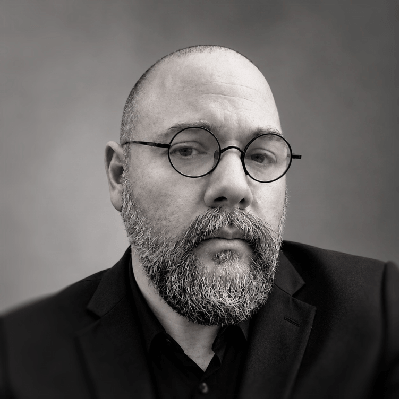
Dr. Ioannis Bardakos is an artist, academic, and researcher focused on cybernetics, aesthetics, and speculative research. His practice explores extended concepts of technologies, virtualities, biology, generative systems, diagrammatics, and human-machine creative processes. His research examines the philosophical and aesthetic implications of emerging forms through processual artistic practices—mental, spatial, and bio-social. He is a Co-Editor of Technoetic Arts and a member of the American Society for Cybernetics.
(CN)
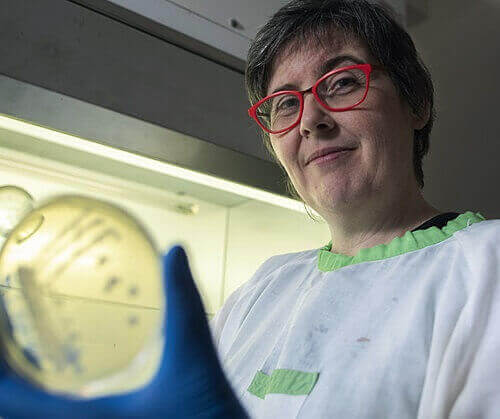
Tarsh Bates is an artist/researcher interested in the aesthetics of interspecies relationships and the human as a queer ecology. She has a PhD in Biological Art and is an Honorary Research Fellow at SymbioticA, UWA. She has worked variously as a pizza delivery driver, a fruit and vegetable stacker, a toilet paper packer, a researcher in compost science and waste management, a honeybee ejaculator, an art gallery invigilator, a raspberry picker, a lecturer/tutor in art/science, art history, gender & technology, posthumanism, counter realism, internet studies, and popular culture, an editor, a bookkeeper, a car detailer, and a life drawing model. She is particularly enamoured with Candida albicans.
Photo credits: Still from Biogenesis, Ep5, dir. Steven Alyian (2019), Australian Broadcasting Corporation (ABC)
(AU)

Roberta Buiani is a Toronto based interdisciplinary scholar, artist and curator at the intersection between Visual Culture and STS. She is assistant professor and coordinator of the NewONE program at New College (University of Toronto); artistic director of the ArtSci Salon at the Fields Institute for Research in Mathematical Sciences (Toronto); and co-director of SLOLab (with Jane Tingley) at York University. Her research explores ways that multisensory/unusual/mobile experiences and forms of storytelling may lead to more inclusive, anti-extractivist, and sustainable relationships between human and more-than-human actors. Her artistic work has travelled internationally to galleries (Bevilacqua La Masa, Venice) art festivals (Transmediale, Berlin; Hemispheric Institute Encuentro; Sao Paolo), community centres (Immigrant Movement International, Queens NY, Myseum of Toronto), and science institutions (RPI; the Fields Institute). Buiani’s latest book is titled Viral Behaviors, an exploration of the complicated relationships between culture and the viral through the perspectives of science, art and technology.
(CA)

Andrew Carnie is an internationally exhibiting contemporary visual artist practicing in the UK. He is an emeritus fellow at the Winchester School of Art, Southampton University. His main concerns focus on the interface of art and science, often working in collaboration with scientists, though not exclusively. His approach is media agnostic, using methodologies and media as informed by the context, concepts, and concerns. Drawing, painting, and sculpting have an enduring place in his practice, but video, projection, and installation are his primary strengths. He creates environments that are endlessly fascinating around subjects, like heart transplants, metabolism, and neurological conditions that intrigue him, and engage audiences in how we see ourselves through the world of science. Recent work has been exhibited in museums and galleries worldwide including the Fundación Telefónica, Madrid, the CCCB, Barcelona, Brain Observatory, San Diego, Kunsthall Charlottenborg, København, the RSU Anatomical Museum, Riga, the Spencer Museum of Art, Kansas, and the Science Gallery, Bengalru.
website: https://www.andrewcarnie.uk | science and art blog: http://scienceandart--andrew-carnie.blogspot.com/
(UK)
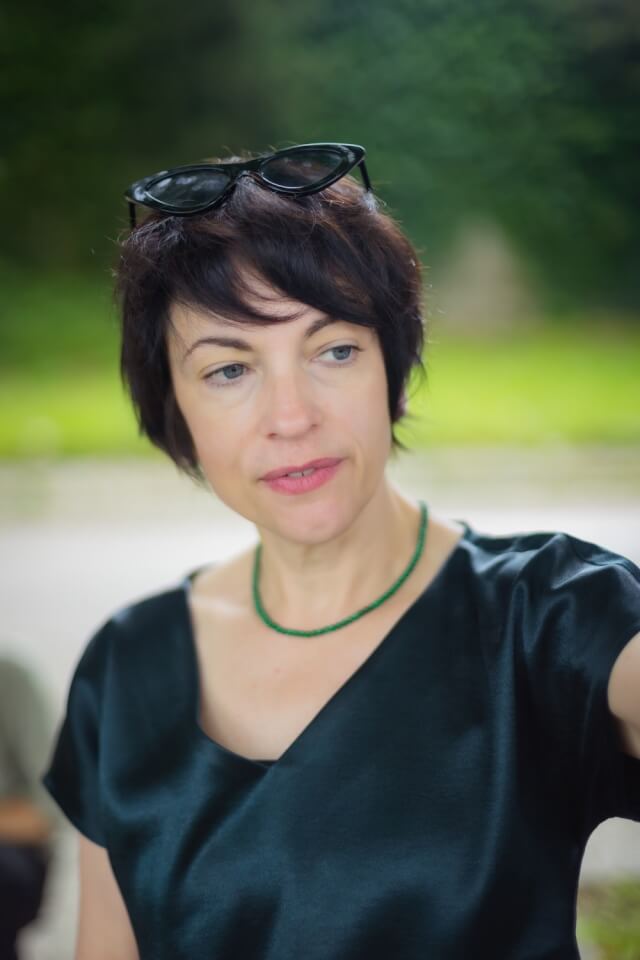
Daphne Dragona is an Assistant Professor at the Department of Audio & Visual Arts of the Ionian University, as well as an independent curator and writer. Her recent work examines the ambiguous role of technology in the climate crisis, taking into consideration planetary infrastructures, emerging aesthetics, and ecological practices. Her exhibitions and projects have been hosted by institutions such as Onassis Stegi, LABoral, Aksioma, EMST (National Museum of Contemporary Art, Athens), and Akademie Schloss Solitude. She previously was a curator for the transmediale festival (Berlin, 2015–2019) and the European Media Art Festival (EMAF, Osnabrück, 2021–2023). Her writings have appeared in publications including Springerin, Sternberg Press, Diaphanes, and Leonardo Electronic Almanac. She has been a fellow at the Weibel Institute for Digital Cultures at the University of Applied Arts Vienna, and at the Kone Foundation’s Saari Residence.
(GR)
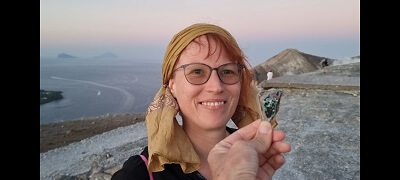
(SW)
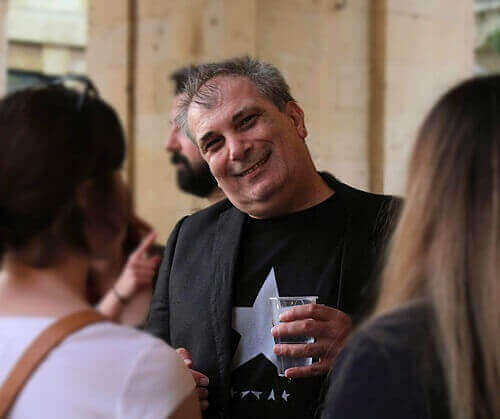
Andreas Giannakoulopoulos is Professor at the department of Audio and Visual Arts of the Ionian University, where he teaches courses related to Internet Communication, New Media and the Web Technologies. He holds a BA (Ptychio) in Economics from the University of Athens (UoA), a BA (Ptychio) in Communication and Media Studies from UoA, a Master of Arts in Communication and Media Studies from UoA, and a Master of Science in Logic from the University of Amsterdam. His doctoral dissertation, approved by the University of Athens, was in the field of web accessibility. The main fields of his academic activities are computer mediated communication, web technologies and e-learning systems as means of effective communication via the web. He has participated in international programmes with a particular interest and experience in dissemination and communication activities. During the last few years he is particularly interested in web applications with academic and artistic content.
(GR)
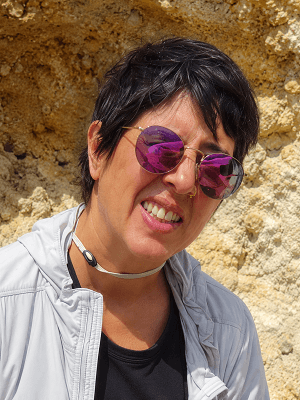
María Antonia González Valerio is a philosopher, curator, and Full Professor at the Faculty of Philosophy and Letters of the National Autonomous University of Mexico (UNAM). Her research focuses on ontology and aesthetics and on interdisciplinary intersections between the arts, sciences, and humanities, particularly bioart and biomedia. She directs the interdisciplinary research and creative group Arte+Ciencia and the artistic collective Bios ex Machina. She is the author and editor of numerous publications, including Through the Scope of Life: Art and (Bio)Technologies. Philosophically Revisited (Springer, 2023).
(MX)
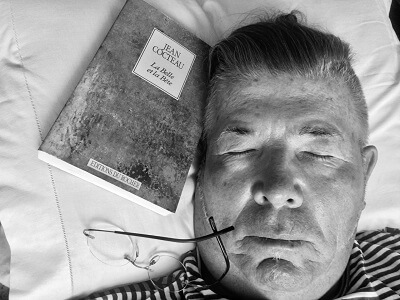
Dr. Nigel Helyer; is an internationally prominent sculptor and sound artist, whose interdisciplinary practice combines art and science to embrace our social, cultural and physical environments. He brings these concerns together in creative projects that prompt the community to engage with their cultural histories, identity and sense of place; inviting us to examine the abstract conditions of our world and our complex relationships to it. Principal web archive.
Nigel is a strong advocate for experimental art and is a specialist in Art and science collaborations. He is also active in critical thought and is a prolific contributor to journals, conferences and broadcasts. He is a member of the Paris based Association Internationale de Critiques d’Art and was the founding editor and publisher of PraxisM the contemporary art journal of Western Australia. Nigel has authored several books, including Crayvox, The Deluge Ark(ive), Culturescape: An Ecology of Bundanon and When Science Meets Art. His writing embraces speculative fiction including the Graphic Novel Sonique and the novel Freeze Frame, a fiction about the relationship of Cinema and the Afterlife accompanied by an exhibition. Nigel is currently developing VoxLeviathan, a project that transforms the evolution of Humpback Whale song into a series of audio-data generated sculptures, as well as writing a new speculative fiction Virulent, that explores the confluence of AI, genetic engineering, environmental activism and online gaming.
(AU)
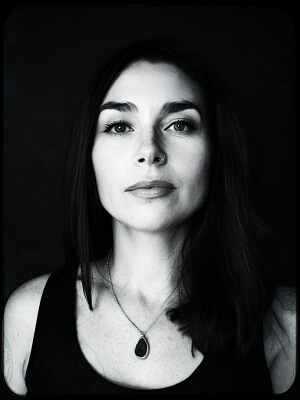
Dr. WhiteFeather Hunter is a bioartist and feminist technoscience scholar whose research brings witchcraft, embodied knowledge, and material experimentation into biotechnology laboratories. Her practice spans menstrual stem cell research, tissue engineering, and 3D bioprinting, interrogating bodily autonomy, biological ownership, and the extraction of value from living matter. Her scholarly work has recently been published widely, including with Routledge and Bloomsbury, and her artistic work is recently published with Tate. She holds a PhD in Biological Art from SymbioticA at the University of Western Australia and is a SSHRC Postdoctoral Research Fellow at Simon Fraser University, where she also leads the SSHRC-funded Bioart in Canada knowledge synthesis project.
(CA)
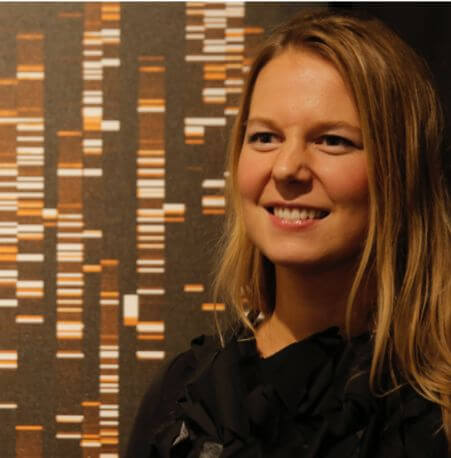
Dr Ulrike Kuchner is an artist, astronomer, curator, and researcher of art-science-technology collaborations, actively working across all three domains. Trained in both astrophysics (PhD) and fine arts (MFA), she has spent 20 years developing ArtScience practices that integrate scientific research with artistic creation, alongside scholarly work exploring how knowledge is collaboratively produced across disciplines. She is a Senior Researcher in Astronomy at the University of Nottingham, where she also co-leads the ARTlab, an ArtScience incubation space for artists-in-residents, and co-coordinates the international, transdisciplinary SEADS collective (Space Ecology Art and Design), a network of over 200 ArtScience practitioners. Her inter-/transdisciplinary research investigates how collaborations between art and science function and how they can be improved, examining methods, practices, culture, and policies that foster effective partnerships. Her own artwork, the exhibitions she has curated, and the public engagement initiatives she has led often address societal needs and have reached over two million people worldwide.
(UK)
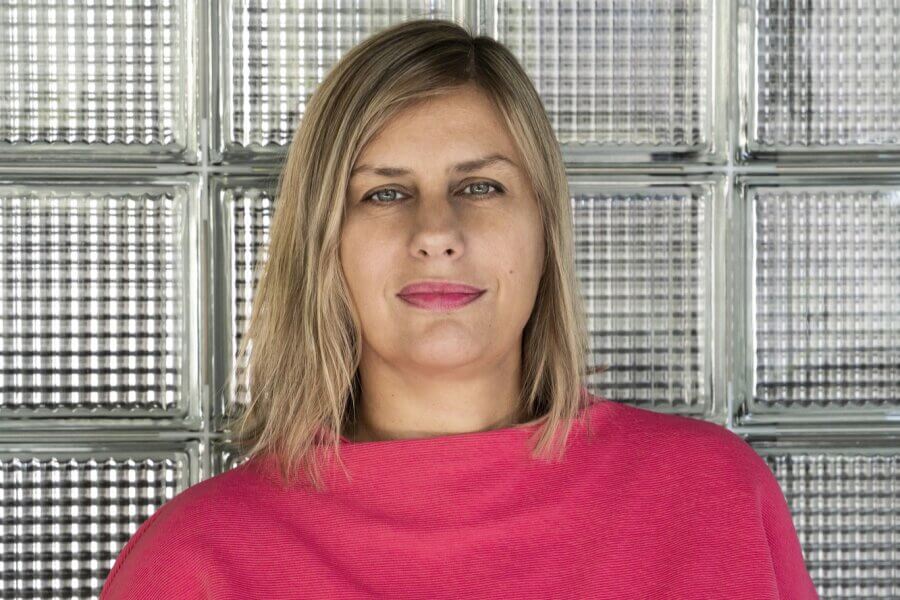
Linn Olga Majcen is an art historian, curator, and researcher with a PhD in Art and Media, focused on subversive art practices. She is one of the founders of KONTEJNER, where since 2002 she has curated and developed numerous international projects and festivals, including Device_art (exploring intersections of art, science, and technology), Touch Me Festival (dedicated to art and science), and Extravagant Bodies (addressing disability, normativity, and the body in contemporary art). She is currently a guest lecturer and mentor at the Academy of Fine Arts (ALU) in Zagreb. She regularly participates in international academic and artistic conferences such as Medea Art Histories, Taboo – Transgression – Transcendence, ISEA, FEMeeting, and Consciousness Reframed: Art Matters.
Photo credits: Sanja Bistričić Srića
(HR)
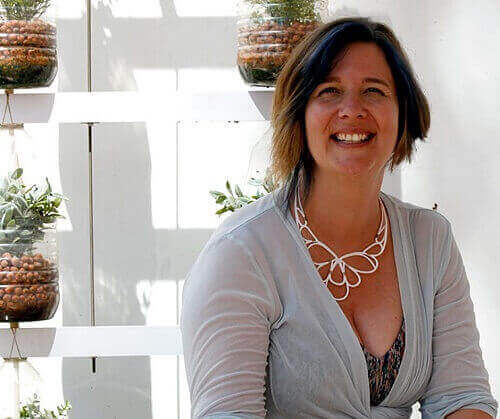
Marta de Menezes is a Portuguese artist with a degree in Fine Arts by the University in Lisbon, a MSt in History of Art and Visual Culture by the University of Oxford, and a PhD candidate at the University of Leiden. She has been exploring the intersection between Art and Biology, working in research laboratories demonstrating that new biological technologies can be used as new art medium. In 1999 de Menezes created her first biological artwork (Nature?) by modifying the wing patterns of live butterflies. Since then, she has used diverse biological techniques including functional MRI of the brain to create portraits where the mind can be visualised (Functional Portraits, 2002); fluorescent DNA probes to create micro-sculptures in human cell nuclei (nucleArt, 2002); sculptures made of proteins (Proteic Portrait, 2002-2007), DNA (Innercloud, 2003; The Family, 2004) or incorporating live neurons (Tree of Knowledge, 2005) or bacteria (Decon, 2007). Her work has been presented internationally in exhibitions, articles and lectures. She is currently the artistic director of Ectopia, an experimental art laboratory in Lisbon, and Director of Cultivamos Cultura in the South of Portugal.
(PT)
Julie-Michèle Morin (QC/Canada) is an IVADO postdoctoral fellow at Université Laval (School of Design), where she leads a research project on the narratives and imaginaries of artificial intelligence, at the crossroads of performance art, digital humanities, and technocritical studies. She holds a joint PhD from Université de Montréal and the University of Antwerp (2025) on robotic dramaturgies, approached through a technofeminist and technocritical lens. Alongside her research, she works as an artist and dramaturgical advisor with machines and stages, playing with robots, glitches, and failures to imagine softer technologies. Her work has been presented at the Ars Electronica Center in Linz and the Museum of Contemporary Art in Thessaloniki, among others.
(CA)
Maro Pebo is a Mexican artist and curator based in the Netherlands. She is a postdoctoral researcher at Wageningen University and holds a PhD in Creative Media. Previously, she curated art-science exhibitions and events at Waag Futurelab in Amsterdam. Her transdisciplinary practice engages with the life sciences, expanding how they consider the materiality of living systems. Her work has been exhibited, presented, and published internationally.
Recent exhibitions include the Bienal de Cuenca, Ecuador (2025-26), and solo shows at the Municipal Gallery of Querétaro, Mexico, and The Rest Gallery in Ithaca, New York, supported by the Cornell Council for the Arts. Her work has also been shown at Ars Electronica, the Toronto Design Festival, the Gerdau Museum (Belo Horizonte), Centro Multimedia (Mexico City), and the Lahore Media Arts Festival.
(NL)
Ingeborg Reichle, PhD, is a contemporary art historian and media theorist, who holds a PhD in Art History and a habilitation in Cultural History and Theory from Humboldt University Berlin, Germany. She is currently a tenured full professor at the Computational Media and Arts (CMA) Thrust at the Hong Kong University of Science and Technology (HKUST-GZ). Her research areas focus on new media art and computational aesthetics as well as artistic responses to systemic risks and global challenges. Till 2021 she served as full professor and chair of the Department of Media Theory at the University of Applied Arts Vienna, Austria and as the Founding Chair of the Department of Cross-disciplinary Strategies (CDS) at the University of Applied Arts Vienna. She is the author and editor of several books, including Art in the Age of Technoscience (Vienna: Springer, 2009), Plastic Ocean (Berlin: De Gruyter Brill, 2021) and Plastic Life (Berlin: De Gruyter Brill, 2027).
(CN)
Patrícia J. Reis, PhD, is a Portuguese media artist, researcher and lecturer based in Vienna. Her practice-based research investigates relationships between bodies and technology through feminist and phenomenological perspectives, with a focus on haptics, embodied interaction, agency and feminist hacking. She is Senior Artist and postdoctoral researcher at the University of Applied Arts Vienna, where she leads the FWF PEEK project Endosensorial Interaction: Hacking the Body as a “Black Box”. Previously, she conducted the FWF PEEK project Feminist Hacking: Building Circuits as an Artistic Practice at the Academy of Fine Arts Vienna. From 2012 to 2026, she was a board member of the feminist hackerspace Mz* Baltazar’s Laboratory. Her work has been internationally exhibited, presented and published.
(AT/PT)
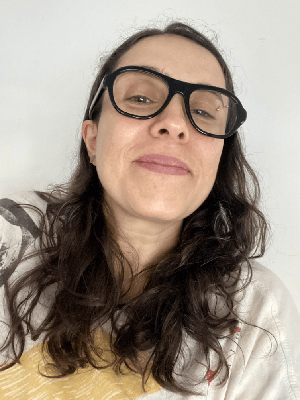
Clarissa Ribeiro, Ph.D., is an artist, researcher, and Assistant Professor in the Department of Fine Arts at the School of Communications and Arts, University of São Paulo (ECA-USP), Brazil. Former Director of the Roy Ascott Studio’s Advanced Program in Technoetic Arts at SIVA/DeTao in Shanghai and recipient of the Pete Townshend Endowed Senior Lectureship in Performative Technoetics, her practice-based research explores performative technoetics, bioart, artificial intelligence, and information visualization, investigating ecological and interspecies entanglements through technologically mediated modes of perception and interaction. She is a member of the UCLA Art|Sci Collective, Chair of the Leonardo Art Science Evening Rendezvous (LASER) talks in Brazil, and Director of L.I.F.E. – Living Intelligence Lab, a research group and creative collective based at the University of São Paulo. She holds the title of Honorary Professor at the Shanghai Institute of Visual Arts (SIVA), where she serves on the International Advisory Board.
(BR)
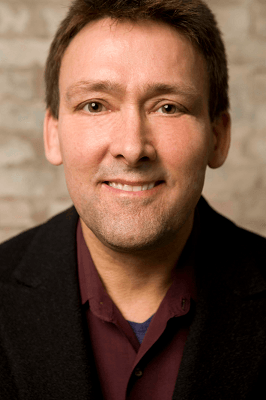
Ken Rinaldo is internationally recognized for interactive robotic and bio art installations that develop hybrid ecologies among humans, machines, plants, animals, and more-than-human others. Through the construction of social, biological, and technological symbioses, his work investigates trans-species communication, animal agency, and insect, bacterial, and emergent machine intelligence. His interactive robotic installations, animations, prints, and films have been widely commissioned and are held in major museum and private collections worldwide. His work is represented by Galeria António Prates, Lisbon, Portugal.
Rinaldo’s work has been featured at the National Museum of Art Beijing; New Art Fest Lisbon; World Ocean Museum, Russia; Ars Electronica, Austria; B3 Biennale, Germany; The Hermitage Museum, Russia; Centro Nacional de las Artes, Mexico; Transmediale, Berlin; ARCO Arts Festival, Spain; The Ulrich Museum of Art, USA; Contemporary Art Center Winzavod, Russia; Centro Andaluz de Arte, Spain; V2_ DEAF, Holland; Itaú Museum, Brazil; the Changwon Sculpture Biennale (2022); Climate Film Festival, New York; Wexner Center for the Arts; McDonough Museum of Art; the National Center for Contemporary Arts, Russia; VIDA Telefónica; and CAFA Museum, Beijing. He has received commissions from Nuit Blanche Toronto; the Vancouver Olympics; Te Papa Museum (New Zealand); Kiasma Museum (Finland); A-Life 16 (Cancún); Sunderland Museum (England); the Lille International Arts Festival (France); Taiwan Contemporary Culture Lab; and La Maison d’Ailleurs, Switzerland.
His work appears in hundreds of books and has been presented in over 35 countries. He received an Award of Distinction and an Honorary Mention at Ars Electronica, First Prize at Vida 3.0, and a United Nations Green Leaf Award for Farm Fountain. His projects have been featured in Wired, The New York Times, CNET, BBC, ORF, CNN, and CBC, as well as in a half-hour Discovery Channel special. Publications featuring his writing and work include Art and Electronic Media (Edward Shanken); Digital Art (Christiane Paul); Evolution Haute Couture; Art and Science in the Post-Biological Age (ed. Dmitry Bulatov); Posthumanism in Art and Science (Giovanni Aloi and Susan McHugh); Art and Biotechnology: Viral Culture from CRISPR to Covid (Nettlton and Mackenzie); Kunst aus dem Labor (Ingeborg Reichle); Metacreation: Art and Artificial Life (Mitchell Whitelaw); Emergence in Interactive Art (Erik Seevinck); The Politics of the Impure (V2 Publishing); The Changwon Sculpture Biennale (2022); and Art and Science Now (Stephen Wilson).
He serves on the Academic Board of Antennae: The Journal of Nature in Visual Culture and contributes regularly. An Academy Emeritus Professor, Rinaldo taught interactive robotics, 3D modeling, and 3D animation at The Ohio State University for 22 years. He is developing research exploring ants sensing cancer in collaboration with the School of Nursing while producing and exhibiting new works.
(US)
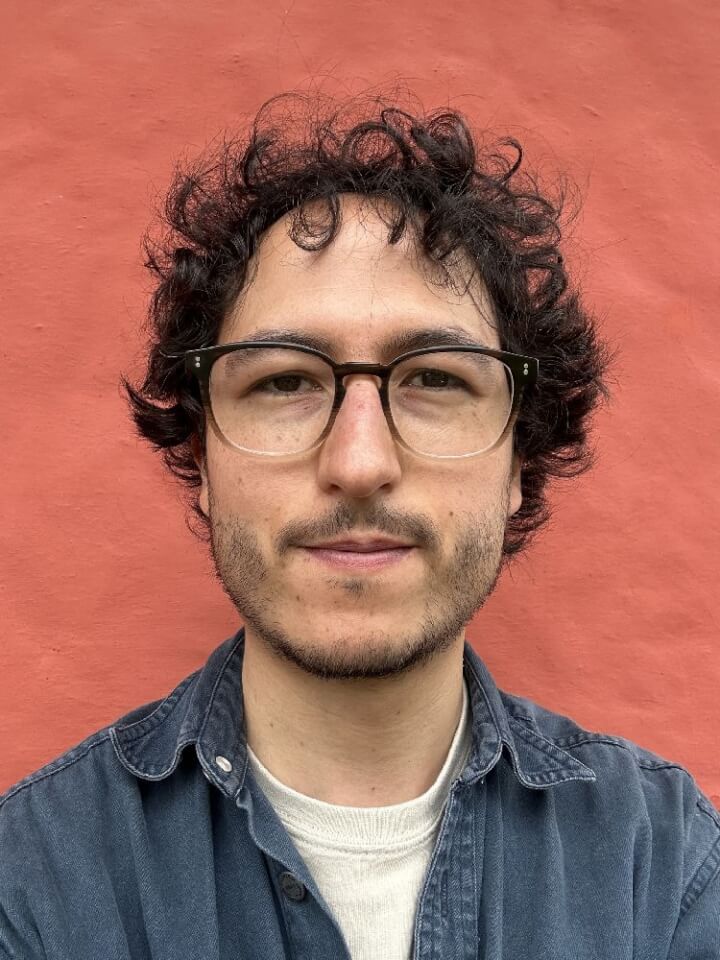
Marthin Rozo (Bogotá, Colombia, 1991) is an artist, researcher and curator working at the intersection of art and biology for the conservation and recognition of biodiversity. He studied Fine Arts at the Universidad Nacional de Colombia (2016) and completed the Master’s in Art & Science at the University of Applied Arts Vienna with distinction (2021). His thesis, BAT EXPERIENCE: Pollination Through Sound, received a recognition prize from the City of Vienna. He is a PhD candidate in Artistic Research at the same university. His project, Art and Conservation of More-than-Human Entities in the Post-Conflict, uses art to build dialogue between scientific knowledge and local communities, giving them tools for agency to protect local biodiversity, foster its appreciation and safeguard traditional knowledge.
For him, observation means recognising the rhythm of existence of other beings. His work delves into the intimacy of other forms of life, weaving together scientific knowledge, a fascination for the living and a poetic sensibility, in projects with casemaking clothes moths and leaf-miner insects. He has exhibited internationally in Europe and Latin America and presented his research at international art and science conferences.
(AT/CO)

Andrea Schaffar is Head of the Art x Science School for Transformation at Johannes Kepler University Linz. A social and communication scientist with a background in organisational development and group dynamics, she works at the intersection of Art x Science, social research, and transdisciplinary collaboration. Her work focuses on transformation and methodological development, combining qualitative and interpretative research with participatory and practice-based approaches. She is particularly interested in how knowledge and collaborative practices emerge across disciplinary and epistemic boundaries.
(AT)
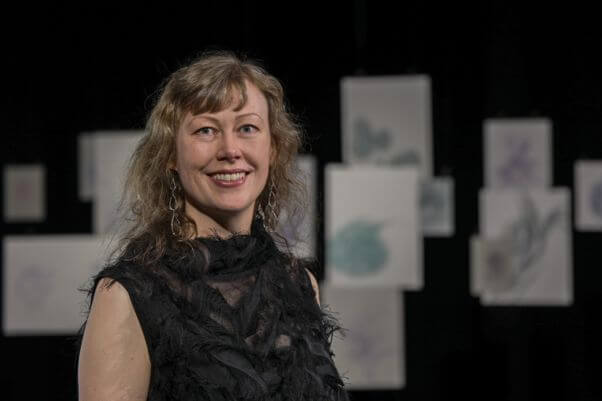
Dr. Claudia Schnugg is an Austrian curator and researcher investigating collaborations between artists, scientists, and institutions. Her research examines how artistic practices contribute to knowledge production, interdisciplinary collaboration, and institutional innovation. She is the founding curator of the Universe Pavilion in Venice and curates the artist-in-residence programme at Helmholtz Munich. She was lead curator of Mission Space Art Exchange at the European Space Agency and one of four lead curators of NaturArchy, a SciArt project at the European Commission’s Joint Research Centre. Her work also includes the DIGI-Sense research project at Johannes Kepler University Linz. She is the author of Creating ArtScience Collaborations (Springer, 2019).
(AT)
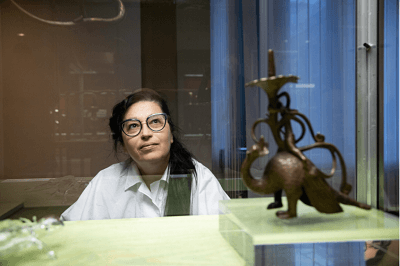
Robertina Šebjanič is an artist-researcher working at the intersection of art, ecology and (geo)politics, exploring the rhythms, voices and ruptures of the hydrosphere through interdisciplinary practice. Since 2023, she has been an Associate Professor at the School of Arts, University of Nova Gorica, Slovenia. Her work has received recognition from Prix Ars Electronica, STARTS Prize, Falling Walls and Re. She has held residencies and received grants from TBA21–Academy, Schmidt Ocean Institute, UCLA PST.art, EMAP, STARTS4Water, Tara Ocean Foundation and MADE IN Platform. Her works are included in collections including the New Art Foundation (Reus). She has exhibited internationally in over 100 exhibitions and presented her work at leading institutions worldwide. Website: https://robertina.net/
(SI)

(SW)
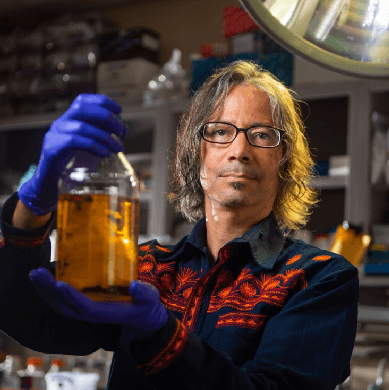
Paul Vanouse is a SUNY Distinguished Professor of Art, and Director of the Coalesce Center for Biological Art at the University at Buffalo. Interdisciplinarity and impassioned amateurism guide his art practice. For nearly 30 years he has employed molecular biology techniques in his artwork to challenge notions of individual, racial, and national identity. His work has been exhibited in over 30 countries and widely across the US. Venues have included: Walker Art Center, Albright-Knox Art Gallery, Carnegie Museum, Andy Warhol Museum, New Museum, Museo Nacional de Bellas Artes in Buenos Aires, Louvre in Paris, Haus Der Kulturen Der Welt in Berlin, Muffathalle in Munich, ZKM in Karlsruhe and TePapa Museum in Wellington, New Zealand. His work has been supported by Creative Capital Foundation, Rockefeller Foundation, Simons Foundation, National Endowment for the Arts, New York Foundation for the Arts, New York State Council on the Arts, Pennsylvania Council on the Arts, Mellon Charitable Trust, and the National Science Foundation.
Vanouse has sought to force the arcane codes of scientific communication into a broader cultural language. In “Relative Velocity Inscription Device”, he literally races DNA from his Jamaican-American family members, in a DNA sequencing gel, to explore the relationship between early 20th Century Eugenics and late 20th Century Human Genomics. The double entendre of race highlights their shared obsession with “genetic fitness”. “Latent Figure Protocol”, “Ocular Revision”, “Suspect Inversion Center”, and “America Project”, use molecular biology techniques to challenge the cultural authority of DNA fingerprinting. Another recent project, “Labor”, is a multi-sensory installation which produces the scent of human sweat—but without humans. The scent is produced in three bio-reactors in the exhibition space incubating bacteria of the human epidermis. The project positions viewers to contemplate the changing borders of what is considered human. “Labor” was awarded the Golden Nica at Prix Ars Electronica, in Linz, Austria in 2019. In 2022, Vanouse and Tina Rivers Ryan’s co-curated exhibition “Difference Machines” at Albright-Knox Northland, in Buffalo, received an Award for Excellence by the Association of Art Museum Curators. His 2024 book, Difference, Sameness and DNA: Investigations in Critical Art and Science chronicles over two decades of his artwork and scholarship.
(photo: Doug LeVere)
(US)
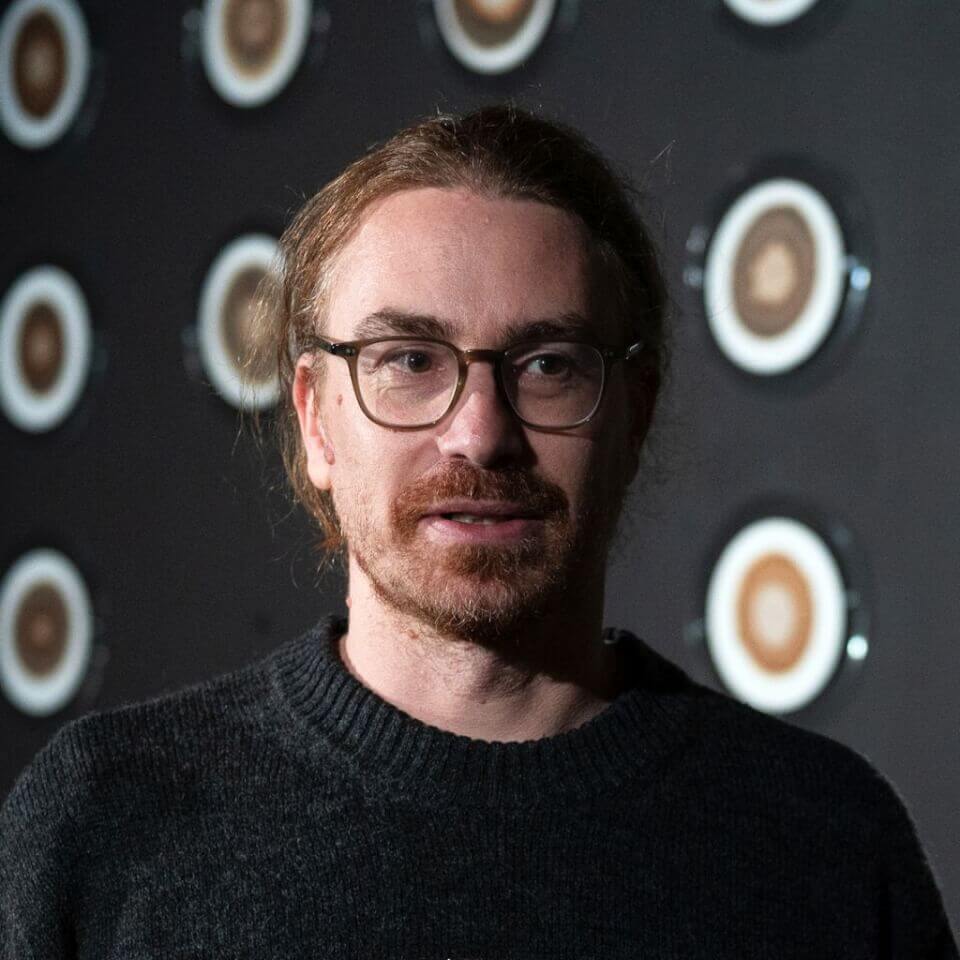
Uroš Veber (he/him) heads Zavod Projekt Atol, a Slovenian NGO which develops projects and programmes that transcend the boundaries between art, technology and science. He loves to work with artists and helps developing artworks, but most of his work involves coordinating international productions in contemporary art and leading teams in citizen science and informal education. As president of Asociacija he advocates for NGOs and the self-employed in arts and culture. He co-runs music labels rx:tx Rec and Kafana. Uroš leads two Creative Europe projects: Rewilding Cultures and DATAS, and is leading Projekt Atol’s part in the More-than-Planet consortium.
(SI)
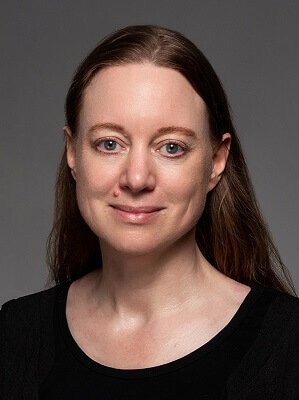
Claudia Westermann is an artist researcher, licensed architect, and Associate Professor of Creative Practice, co-lead of the Ecologies of Imagination Micro Lab and co-director of graduate research in the School of Design and the Built Environment at Curtin University, Western Australia. She is co-editor of the journal Technoetic Arts and elected President of the American Society for Cybernetics (ASC) for the 2027-2029 three-year term. Claudia Westermann's projects have been widely exhibited and presented, including at the Venice Biennale, the Moscow International Film Festival, ISEA Symposium for the Electronic Arts, and the Center for Art and Media (ZKM) in Germany. For her visionary engagement fostering systemic research and practice through education, she received the Margaret Mead Prize from the American Society for Cybernetics in 2024.
(AU)
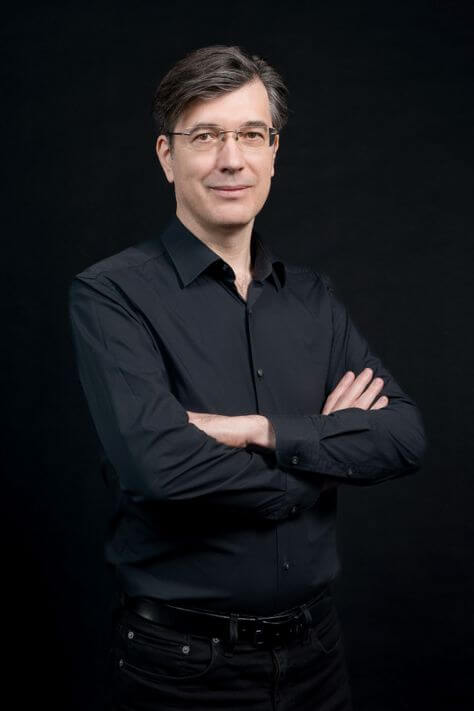
Virgil Widrich, born 1967 in Salzburg, is a filmmaker, screenwriter and multimedia artist based in Vienna. He heads the Master’s programme Art & Science at the University of Applied Arts Vienna and is co-founder and managing director of checkpointmedia GmbH, a company for exhibitions and multimedia installations, as well as of Virgil Widrich Film- und Multimediaproduktions G.m.b.H. His short film “Copy Shop” (2001) was nominated for an Academy Award, “Fast Film” (2003) premiered in Cannes, and his features include “Heller als der Mond” (2000) and “Die Nacht der 1000 Stunden” (2016). His works have received over 300 international awards. He is a member of the Academy of Motion Picture Arts and Sciences.
(AT)
Steering Committee
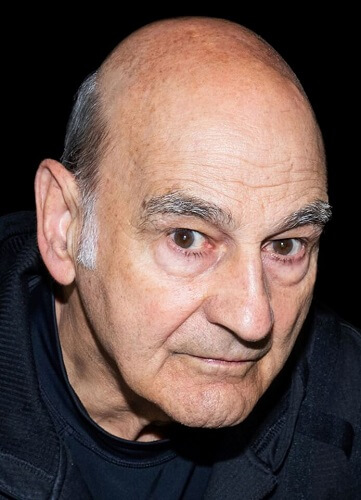
Stelarc is an Australian Performance Artist. His projects and performances explore alternate anatomical architectures, interrogating issues of embodiment, agency, identity and the post-human. Between 1973-1975 he made 3 films of the inside of his body. Between 1976-1988 he completed 27 body suspensions with insertions into his skin. He has performed with a Third Hand, a Stomach Sculpture and Exoskeleton, a 6-legged walking robot. Fractal Flesh, Ping Body and Parasite are internet performances that explore remote and involuntary choreography via a muscle stimulation system. He is surgically constructing and stem-cell growing an ear on his arm that will be electronically augmented and internet enabled. In 1996 he was made an Honorary Professor of Art and Robotics at Carnegie Mellon University, Pittsburgh and in 2002 was awarded an Honorary Doctor of Laws by Monash University, Melbourne. In 2010 he was awarded the Ars Electronica Hybrid Arts Prize. In 2015 he received the Australia Council’s Emerging and Experimental Arts Award. In 2016 he was awarded an Honorary Doctorate from the Ionian University, Corfu. From 2013-2018, Stelarc was a Distinguished Research Fellow, Curtin University, Perth. His artwork is represented by Scott Livesey Galleries, Melbourne. www.stelarc.org
Photo credits: Nicholas Walton-Healey.
(AU)
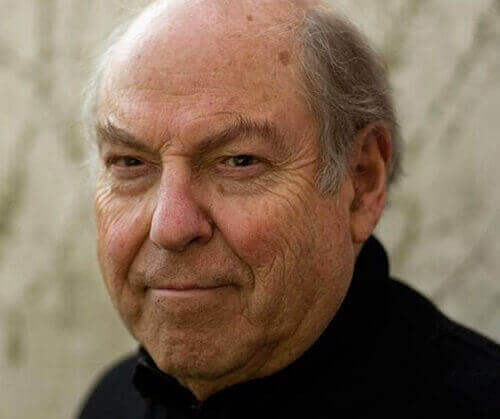
Roy Ascott is an artist and theorist, who has focused on the theoretical and practical application of cybernetics and telematics in art. He coined the concept of Technoetics; a field that brings together art, science, technology and consciousness. He has exhibited and taught since the early 1960s. Roy Ascott, is currently DeTao Master of Technoetic Arts at the Shanghai Institute of Visual Arts. in Shanghai, and founding president of the former Planetary Collegium, Plymouth University, UK. He has been President of Ontario College of Art, Toronto; Vice- President of San Francisco Art Institute, California; Professor Communications Theory at University of Applied Arts Vienna; Head of Fine Art, Minneapolis College of Art, Visiting Professor at UCLA, and creator of the ‘Groundcourse’ at Ealing School of Art in London. He has an honorary Doctorate, Ionian University, and is the recipient of the first Ars Electronica Golden Nica Award for Visionary Pioneers of Media Art (2014). His work is in the permanent collections of the Tate Gallery, and British Arts Council.
He has shown in the Biennales of Venice, and Shanghai, and in major shows in Europe, Asia and South America. His research is widely presented in journals and conferences (US, Europe, Asia, Australia). He is the Founding Editor of Technoetic Arts (Intellect) and an Honorary Editor of Leonardo (MIT Press).
(UK/CN)
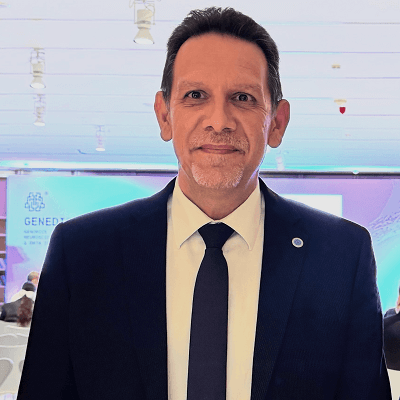
Andreas Floros was born in Drama, Greece in 1973. In 1996 he received his engineering degree from the department of electrical and computer engineering, University of Patras, and in 2001 his Ph.D. degree from the same department. His research was mainly focused on digital audio signal processing and conversion techniques for all-digital power amplification methods. He was also involved in research in the area of acoustics. In 2001, he joined the semiconductors industry, where he worked in projects in the area of digital audio delivery over PANs and WLANs, Quality-of-Service, mesh networking, wireless VoIP technologies and lately with audio encoding and compression implementations in embedded processors. During 2003 - 2005 he was a member of a number of IEEE Tasks Groups (such as the 802.11e, .11k and .11s) with voting rights. For a period of three years (2005 - 2008), he was an adjunct professor at the department of informatics, Ionian University. During this period of time he also taught at the postgraduate (MSc) degree "Arts and Technologies of Sound" organized by the dept. of Music Studies, Ionian University. On January 2008, he was appointed in the position of Assistant Professor at the department of Audiovisual Arts, Ionian University. Today, he serves as Professor of Audio Technology and Electroacoustics and as the Rector of the Ionian University.
(GR)
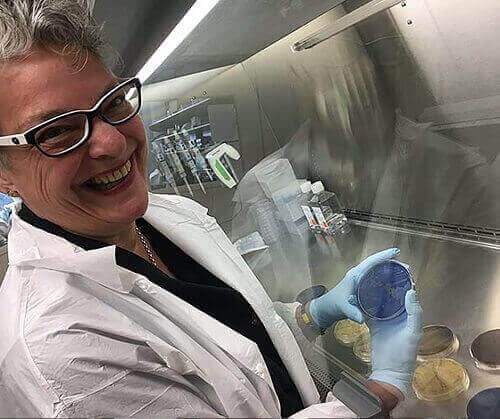
Kathy High is an interdisciplinary artist / educator who collaborates with scientists and activists, and considers living systems, animal sentience, and ethical dilemmas of biotechnology and medical industries. She is Professor of Video and New Media in the Arts department at Rensselaer Polytechnic Institute, Troy, NY, and is director of BioArt and Technology Laboratory, Center for Biotechnology and Interdisciplinary Studies. She is a supporter of community DIY science and ecological art practices and Project Coordinator for the NATURE Lab Urban Environmental Education Center with The Sanctuary for Independent Media where she is a board member and co-founder. She is committed to queer and feminist approaches to reshaping ecological bio-science research and learning-by-doing, and to collaborative action. Among many honors, she is recipient of awards from National Endowment for the Arts, Guggenheim Foundation and Rockefeller Foundation. Her artworks have been shown at documenta 13 (Germany), Guggenheim Museum, Museum of Modern Art, (NYC), UCLA (Los Angeles), Science Gallery (Dublin), NGBK (Berlin), Festival Transitio_MX (Mexico), MASS MoCA (North Adams), Para-site Gallery (Hong Kong), Esther Klein Gallery, (Philadelphia), Medical Museum (Copenhagen). She has had residencies with SymbioticA, University of Western Australia, Finnish Society of Bioart, Coalesce, University of Buffalo, Djerassi Scientific Delirium Madness. www.kathyhigh.com
(US)

Dalila Honorato, Ph.D, is the starter of the conference "Taboo-Transgression-Transcendence in Art & Science". She is a Professor in Aesthetics and Visual Semiotics at the Ionian University, Greece. where she is also the Director of the Interactive Arts Lab and the Master of Research in Hybrid Arts. A collaborator at the Center of Philosophy of Sciences - University of Lisbon, her research focus is on embodiment, monstrosity, the uncanny and the acrobatic balance between phobia and paraphilia.
Photo credits: Gina Rottweiler
(GR/PT)
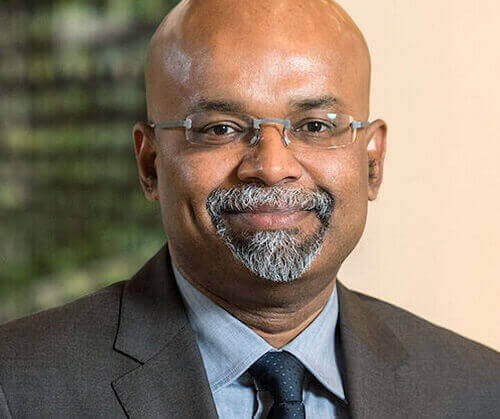
Gunalan Nadarajan, an art theorist and curator working at the intersections of art, science and technology, is Dean Emeritus and Professor at the Penny W. Stamps School of Art and Design at the University of Michigan. He is active in the development of media arts internationally and has previously served on the Board of Directors of the Inter Society for Electronic Art, is on the Advisory Boards of the Database of Virtual Art (Austria), Cellsbutton Festival (Indonesia), the New Media Caucus and was an advisor on creative programs of digital culture to the UNESCO and the Smithsonian Institution. He served on the International Advisory Board of the ArtScience Museum in Singapore from 2014-22. He co-founded and continues to work on a National Science Foundation funded Network for Science Engineering, Art and Design to develop and support a national network for collaborative research, education and creative practice between sciences, engineering, arts and design. He also served on the National Academies of Sciences, Engineering and Medicine (USA) committee and co-authored the report, Branches from the Same Tree: The Integration of the Humanities and Arts in Sciences, Engineering and Medicine in Higher Education.
(US)
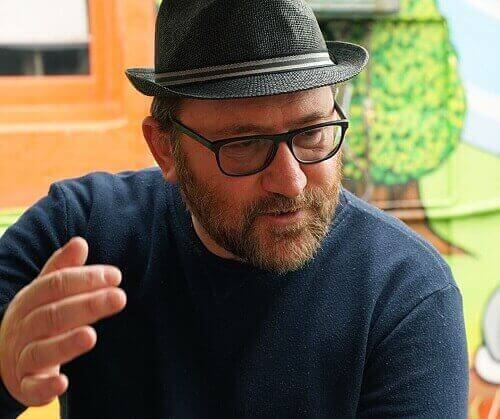
Dr Melentie Pandilovski is a Phenomenologist, Gallery Director, Curator, Art Historian. He has curated more than 200 exhibitions and organized numerous symposia, conferences, and workshops in Europe, Australia, Canada, the USA, such as: “Contestable Bodies” by STELARC (2018), the "inaugural International Limestone Coast Video Art Festival" (2018), "The Rise of Bio-Society" (2017), “SEAFair” (Skopje Electronic Art Fair 1997 – 2011); "Age of Catastrophe" (2015), "Toxicity" (2013-14), “Marshall McLuhan & Vilém Flusser Communication & Aesthetics Theories Revisited” (2012); “Biotech Art – Revisited” (2009), etc. His theoretical research deals with examining links between art, culture, technology, individual identity, and consciousness. Melentie has worked on numerous projects with the “Syndicate” – international network. His artistic projects include the Internet project “Welcome Back to the Empire” (1996-7, and 2011), the solo exhibition “TV Experiment” in Skopje, North Macedonia, in 1987, and a project with-in “Tik- Tak –Tok”, an international inter-disciplinary collaboration consisting of two exhibitions of artists’ clocks and time machines, in Dundee (Scotland) and Skopje (North Macedonia) in 2000 and 2002. Currently, he is Vice President at AICA Macedonia (MK), Producer/Consultant at JOLT Arts in Melbourne (AU), and Advisor at the Society for Phenomenology and Media.
(MK/AU)
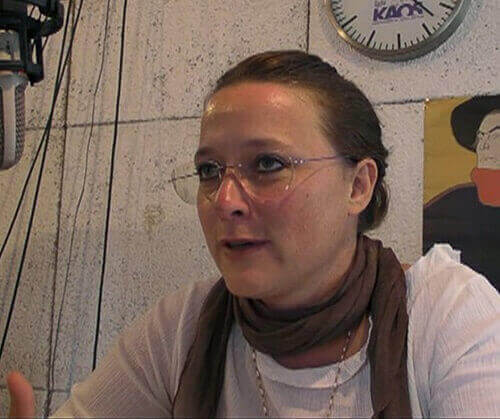
Polona Tratnik, PhD in Philosophy, is senior researcher at the Institute IRRIS for Research, Development, and Strategies of Society, Culture, and Environment, and a full Professor at the Faculty of Arts at the University of Ljubljana. She was a Fulbright Visiting Scholar at the University of California Santa Cruz and guest professor at the same university, as well as at the Capital Normal University in Bejing, China, at Helsinki TAIK, Finland, and at the National Autonomous University of Mexico. She is the president of the Slovenian Society of Aesthetics and an executive committee member of the International Association of Aesthetics. She is also a pioneering biotechnological artist. Her single-author monographs include Art as Capital: The Intersection of Science, Technology and the Arts (Rowman and Littlefield, 2021); Umetnost u savremenosti (Orion, 2018); Conquest of Body: Biopower with Biotechnology (Springer, 2017); Hacer-vivir más allá del cuerpo y del medio (Herder, 2013); In Vitro. Živo onstran telesa in umetnosti (Horizonti, 2009); Konec umetnosti: od Hegla k Dantu—genealogija modernega diskurza (Annales, 2008).
(SI)
Organizing Committee
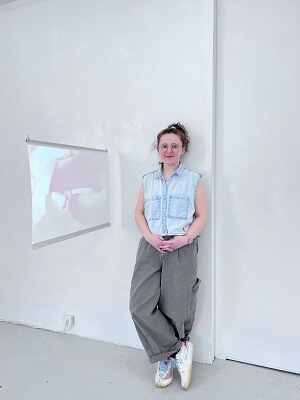
daniela brill estrada is an artist and a researcher from Bogotá, currently living in Vienna. Her artistic work, currently focused on origin of life research and complexity sciences, starts with a small obsession with how life emerges from geological and chemical materials, and how it complexifies, becomes bodies, societies, ecosystems. daniela is a PhD Candidate at the Art x Science School for Transformation at the Angewandte and the JKU. Currently, daniela is an artist in residence at the SETI institute with the project Exoplanetary Poetry, and she has an ongoing collaboration with the ORIGIN network of High Energy Physics, and with CERN, where she wrote her master’s thesis (2019).
One of the driving forces behind bringing the conference to Vienna, Daniela is part of the Organizing Committee of TTT2027 Vienna.
(AT)
Dalila Honorato, Ph.D, is the starter of the conference "Taboo-Transgression-Transcendence in Art & Science". She is a Professor in Aesthetics and Visual Semiotics at the Ionian University, Greece. where she is also the Director of the Interactive Arts Lab and the Master of Research in Hybrid Arts. A collaborator at the Center of Philosophy of Sciences - University of Lisbon, her research focus is on embodiment, monstrosity, the uncanny and the acrobatic balance between phobia and paraphilia.
Photo credits: Gina Rottweiler
(GR/PT)
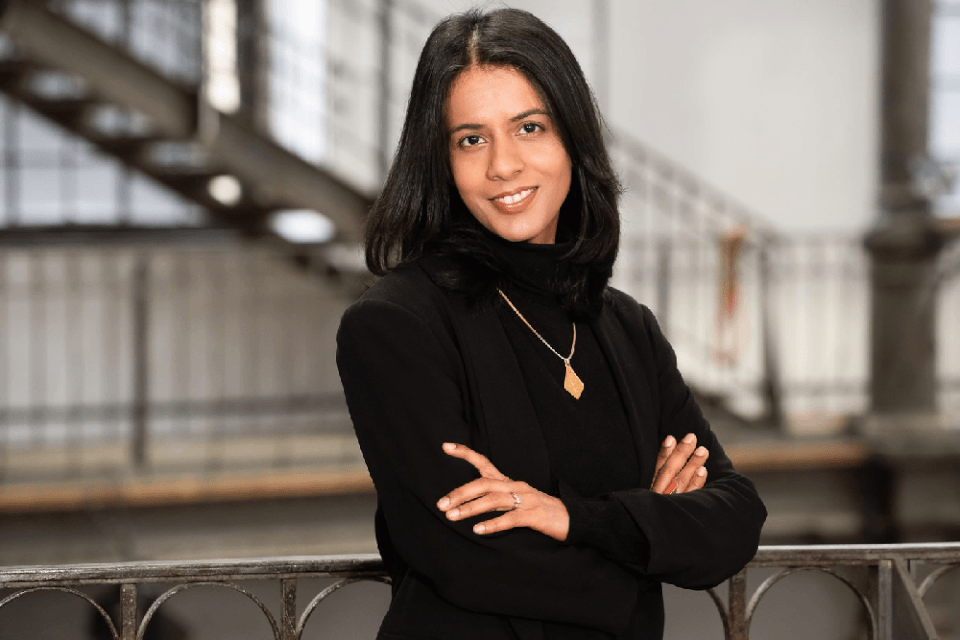
Zahra Mirza is an artist and researcher interested in bringing art into conversation with other disciplines, exploring shared questions around the challenges shaping our world. She is based at the Department of Art and Space | Spatial Strategies at the Academy of Fine Arts Vienna, where she has also led ceramics workshops focused on sustainable practices and material sourcing. She studied Sculpture and Fine Arts (Pakistan) and Cross-Disciplinary Strategies at the University of Applied Arts Vienna (Austria). She teaches ceramics at Happylab Makerspace, runs the online platform Artversation, and is part of the editorial board of IEDAs: A Journal of Transdisciplinary Practices in Art & Design. Her research takes an intersectional approach to the complex and often messy systems that shape everyday life, bringing together different disciplines and ways of thinking. Alongside ceramics, where materiality, climate and health are key concepts within her practice, she has been researching bdelloid rotifers, microscopic freshwater invertebrates known for their resilience, and what their ability to survive might offer to thinking about agency within climate activism. She is also interested in how our sense of self is shaped by our relationships with machines, technology, and the web. In her current artistic research on voice, she works with her own voice and its AI-cloned versions, exploring the differences between human hesitation and machine fluency, and how the two might coexist without being seen as competitors.
Zahra was part of the Organizing Committee of TTT2020 Vienna / Online and she's back for TTT2027 Vienna, leading PR and networking activities.
Photo credits: eSeL.at – Joanna Pianka
(AT)
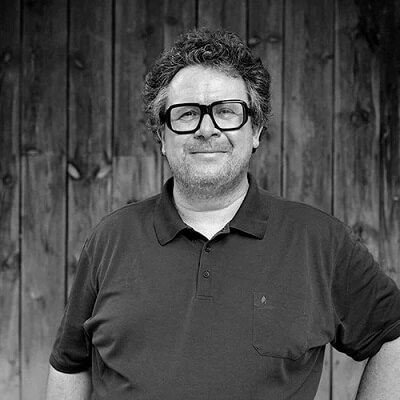
Martin Reinhart (*1967) is a filmmaker, media artist, researcher, and educator working at the intersection of experimental cinema, media archaeology, and artistic research. In the 1990s, he developed the experimental film technique tx-transform and later co-directed the archival documentary Dreams Rewired, narrated by Tilda Swinton. He has worked as a curator at the Technisches Museum Wien, founded Indiecam GmbH, and led the FWF-funded artistic research projects Data Loam and Radical Matter. Since 2021, he has been a Senior Lecturer in the Art & Science MA programme at the University of Applied Arts Vienna and, since 2025, PhD Coordinator for Art x Science – School for Transformation.
One of the driving forces behind bringing the conference to Vienna, Martin is part of the Organizing Committee of TTT2027 Vienna.
(AT)
In-Situ Production Team
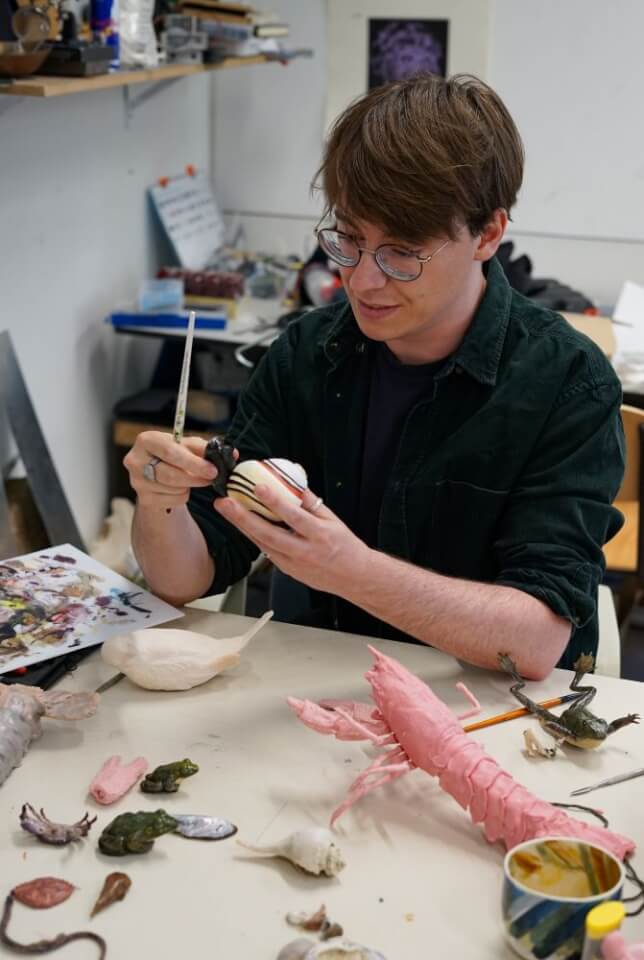
Phin Anibal is a behavioral ecologist and visual artist mainly working in sculpture. His more recent works have explored intersections of art and wildlife morphology, as well as the creation of artwork informed through the behaviors of non-human animals. A current student of Die Angewante’s Masters in Art and Science, he previously completed an interdisciplinary Masters in Human Animal Interaction at the Messerli Research Institute of the VetMedUni, Vienna. He holds both a BA (Studio art, with a concentration in drawing) and a BSc (Behavioral Ecology) from the Honors College of the University of New Hampshire, USA. With previous research ranging from avian cognition studies to marine ecology surveys, as well as ongoing naturalist work with the Bruce Museum Seaside Center of Connecticut, USA, he began combining art practice with science while conducting fieldwork. Other artistic research areas include representation and identity, impact on/connection to environment, and experimental use of natural materials.
As part of the on-site production team for TTT2027 Vienna, Phin brings his interdisciplinary practice into the conference's creative life through a live T-shirt printing station. Transforming the conference logo into a wearable keepsake, he invites participants to experience design as an on-site, hands-on process, turning TTT's visual identity into a shared and tangible memory of the gathering.
Photo credit: Hanna Hofmann
(AT)
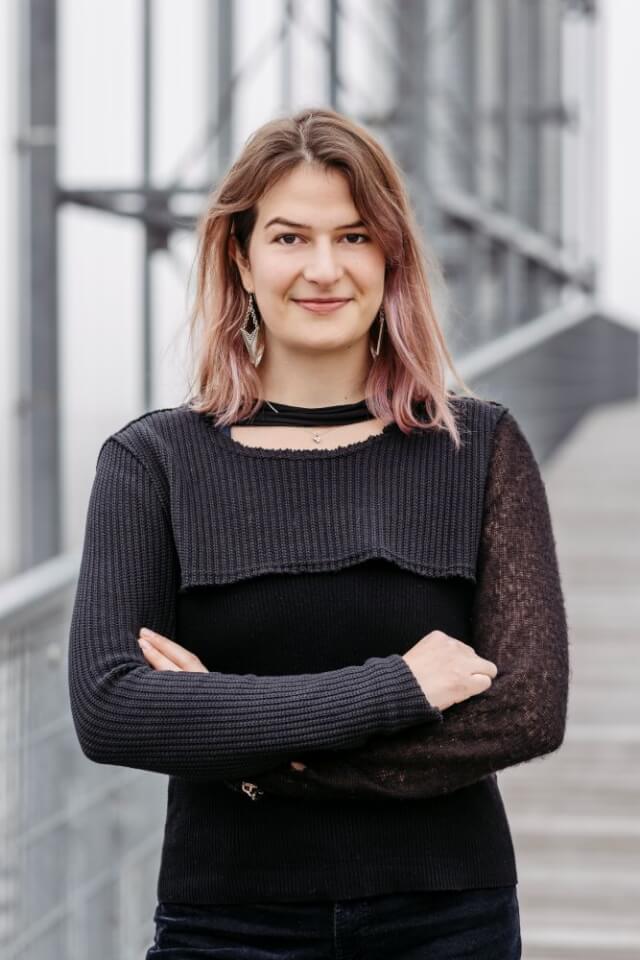
Artist and researcher, working with machines, mycelium and media art, Eugénie Desmedt studied at the University of Warwick, the University of Vienna, the University for Applied Arts Vienna and the Johannes Kepler Universität. Currently pursuing a PhD through the Art x Science School for Transformation between the Weibel Institute in Vienna and the LIT Robopsychology Lab in Linz, Eugénie’s work has been shown in galleries, conferences, backyards, festivals, abandoned houses, flats of friends, former caserns.
As part of the on-site production team for TTT2027 Vienna, Eugénie's role is to ensure that the practical elements needed for the conference are in place. Combining resourcefulness with creative problem-solving, her behind-the-scenes work helps turn ideas into reality while keeping the event’s ambitions and practical possibilities in balance.
Photo credit: Nina Danninger
(AT)
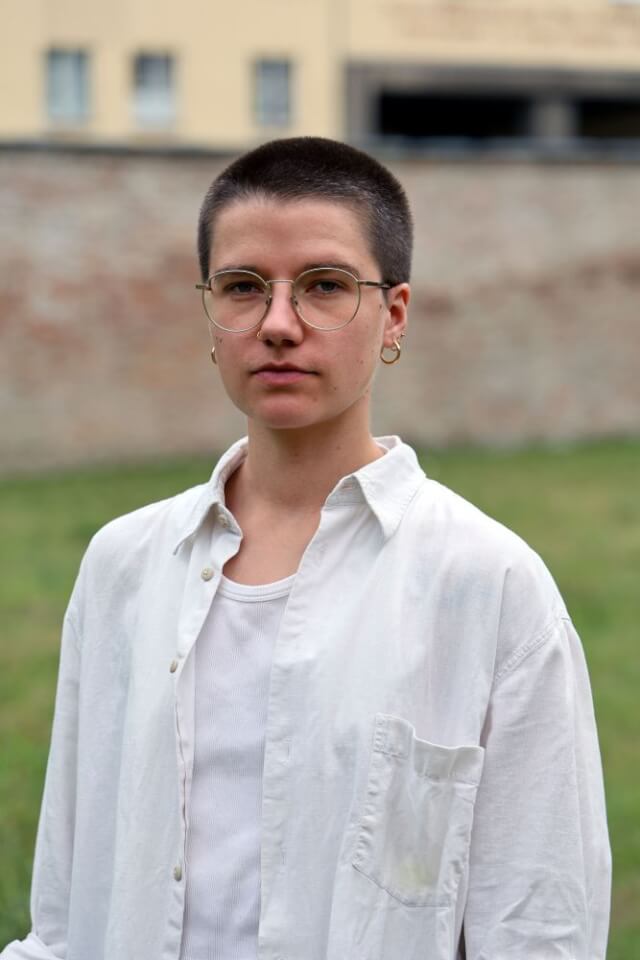
Crossing critical disability studies with sociology and artistic research, Leo explores the intersections of technology, access, aesthetics, and disability. As a teacher, she focuses on facilitating students’ qualitative projects and occupational orientation processes. Leo holds degrees in Sociology (University of Vienna), Social and Human Ecology (Boku Vienna), and Visual Communication + Change (Linnaeus University Kalmar), and has accompanied citizen science projects as an artistic researcher at the University of Applied Arts Vienna. Currently, she is a University Assistant and pre-doctoral researcher at the Art x Science School for Transformation at Johannes Kepler University Linz and the University of Applied Arts Vienna.
As part of the on-site production team for TTT2027 Vienna, Leo coordinates the welcome desk and the preparations surrounding the reception of participants and attendees. With an eye for detail and a talent for bringing different elements together, she works behind the scenes to make the arrival and welcoming experience as smooth, accessible, and well-organized as possible.
Photo credits: Marianna Mondelos
(AT)

Carolina Páez Vélez is a chemist and microbiologist currently finishing her studies on the Master of Art and Science in the University of Applied Arts. In her practice, Carolina explores new perspectives to analyze the role of humans in relation to the land they inhabit. Due to her passion for soils, she is currently mapping the soils of Vienna, analyzing chemical and physical variables, the microorganisms that inhabit them and the history that these soils hold. She actively combines her background in natural sciences, her interest in geopolitics and artistic research to delve into the world of seeds, soils and compost, with the aim of envisioning different ways to relate with the land and all the more-than-human beings that cohabit it with us.
As part of the on-site production team for TTT2027 Vienna, Carolina coordinates and supports the group of volunteers who help bring the conference to life. With an attentive and collaborative approach, she helps connect people, tasks, and practical needs, contributing to the collective effort that makes the event possible.
Photo credits: Carolina Páez Vélez
(AT)
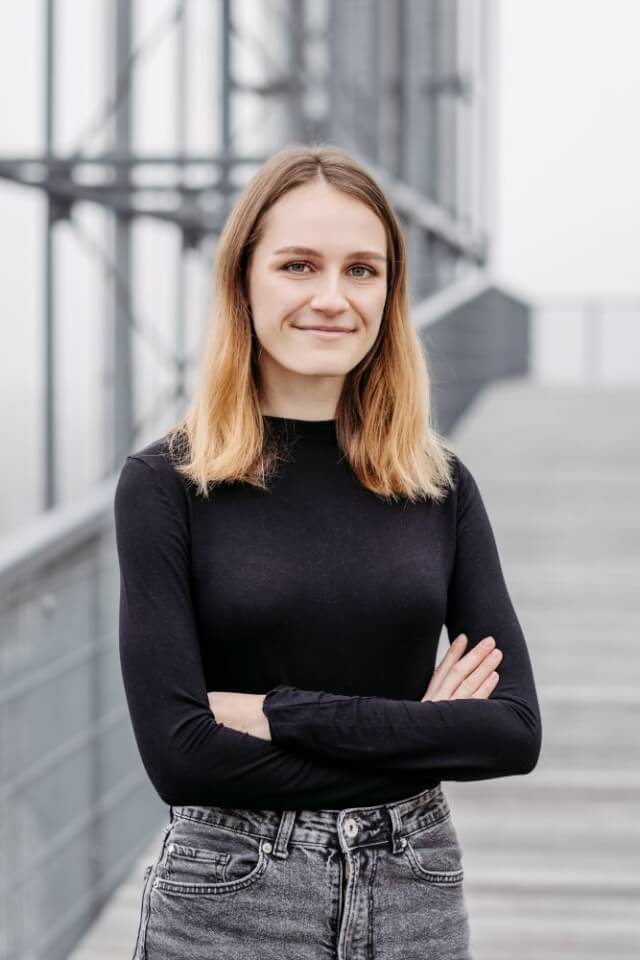
Magdalena Samonigg's research lies at the intersection of art and science. She explores the potential of games as a medium for engaging with the climate crisis and interactive science communication. Her current research focuses on playful simulations of forests and their interaction with the climate crisis. Since 2026, Magdalena has been a university assistant and pre-doctoral researcher at the Art x Science School for Transformation run by Johannes Kepler University Linz and the University of Applied Arts Vienna.
As part of the on-site production team for TTT2027 Vienna, Magdalena coordinates media outreach and connections with the local press. Bringing the conference into dialogue with wider audiences, she works to communicate its ideas and activities beyond the event itself, helping build connections between TTT and Vienna's local media landscape.
Photo credits: Nina Danninger
(AT)
Curatorial Team
Warning: Trying to access array offset on null in /opt/websites/main/depts/avarts/ttt/includes/committees.php on line 78
Warning: Trying to access array offset on null in /opt/websites/main/depts/avarts/ttt/includes/committees.php on line 86
Warning: Trying to access array offset on null in /opt/websites/main/depts/avarts/ttt/includes/committees.php on line 86
Warning: Trying to access array offset on null in /opt/websites/main/depts/avarts/ttt/includes/committees.php on line 88
Warning: Trying to access array offset on null in /opt/websites/main/depts/avarts/ttt/includes/committees.php on line 88
Warning: Trying to access array offset on null in /opt/websites/main/depts/avarts/ttt/includes/committees.php on line 89
Warning: Trying to access array offset on null in /opt/websites/main/depts/avarts/ttt/includes/committees.php on line 89
Warning: Trying to access array offset on null in /opt/websites/main/depts/avarts/ttt/includes/committees.php on line 90
Warning: Trying to access array offset on null in /opt/websites/main/depts/avarts/ttt/includes/committees.php on line 95
Warning: Trying to access array offset on null in /opt/websites/main/depts/avarts/ttt/includes/committees.php on line 95
Warning: Trying to access array offset on null in /opt/websites/main/depts/avarts/ttt/includes/committees.php on line 96
Warning: Trying to access array offset on null in /opt/websites/main/depts/avarts/ttt/includes/committees.php on line 96
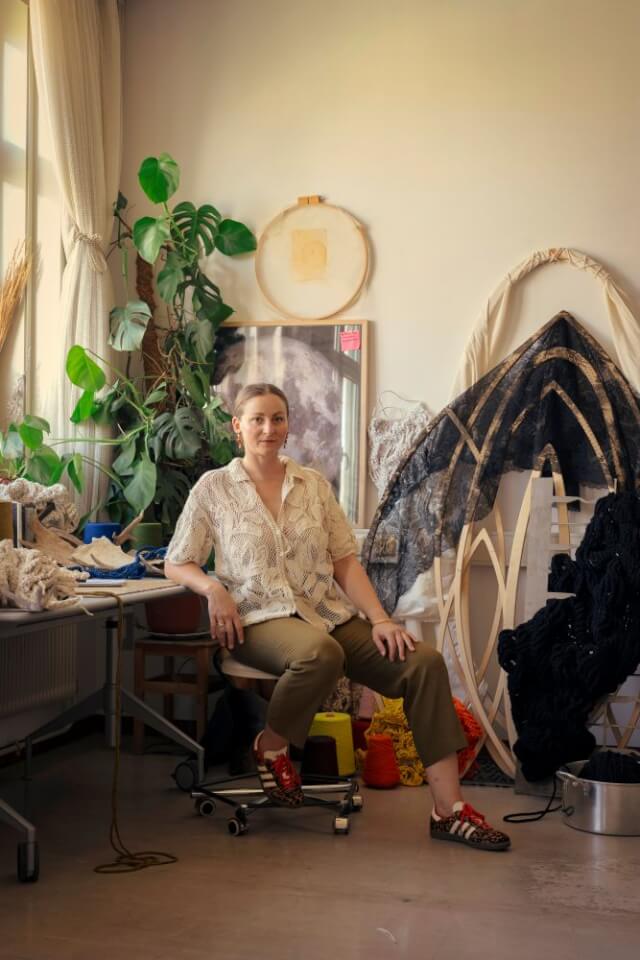
Monica C. LoCascio is a transdisciplinary artist. She uses heritage craft techniques to transform salvaged materials into sculptural works that arrive as artifacts of her material and theoretical research on consciousness, microbiology, epigenetics, theoretical physics, and hierarchies of knowledge and power. LoCascio began her art-making practice at the age of 5 when she was taught to crochet and embroider by her grandfather's twin sister. Raised internationally, she completed her undergraduate studies in New Media & Visual Arts at Emerson College, Boston, with honors. After a decade of working in cultural production and publishing in NYC, she earned a Master’s degree in Art & Science from the University of Applied Arts in Vienna, Austria, also with honors. Her art has been featured at significant venues internationally such as the Museum of Natural History in Vienna, Science Gallery in London, Skopje - Museum of Contemporary Art, and the ERES Stiftung in Munich. She currently resides and creates in Vienna, Austria.
Photo credits: Ana Sampaio Barros
(AT)
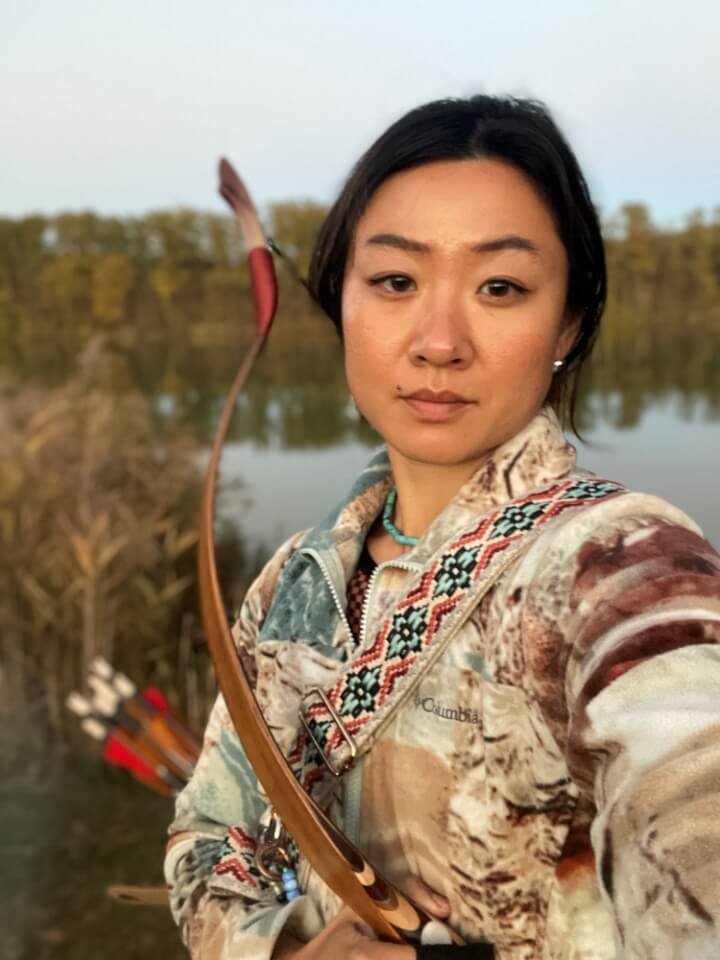
Mary Maggic is an artist, researcher, and pedagogue whose practice moves between participatory science, collectivity, filmmaking, and ecological relation-making. Through the practice of workshopology, Maggic develops embodied strategies for dissolving the boundaries between the personal and the planetary, entering into new, de-colonial modalities of shared world-making. After earning their Masters at MIT Media Lab, Maggic has completed research residencies on Indonesia’s plastic pollution crisis, damaged ecologies of the Brazilian Amazon, Japan’s pre-Shinto animistic traditions, and rapid urbanization and nomadism shift in Mongolia. Based in Vienna since becoming a mother in 2018, Maggic remains an active participant at the Kassai Horseback Archery School and the Asian feminist art collective Mai Ling, sustaining practices shaped by multiplicity and exchange across disciplines, cultures, identities, and lands.
Having participated in several previous editions of TTT, Mary now co-curates the workshop program for TTT2027 Vienna.
current | league of stars egypt
(AT)
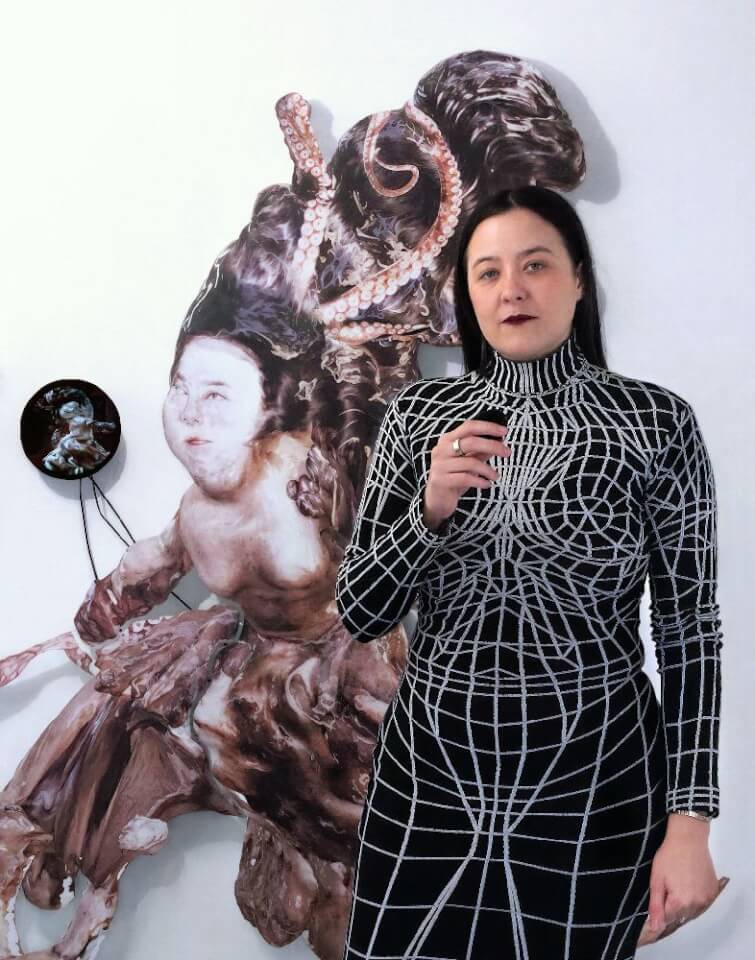
(AT)
Communication Team
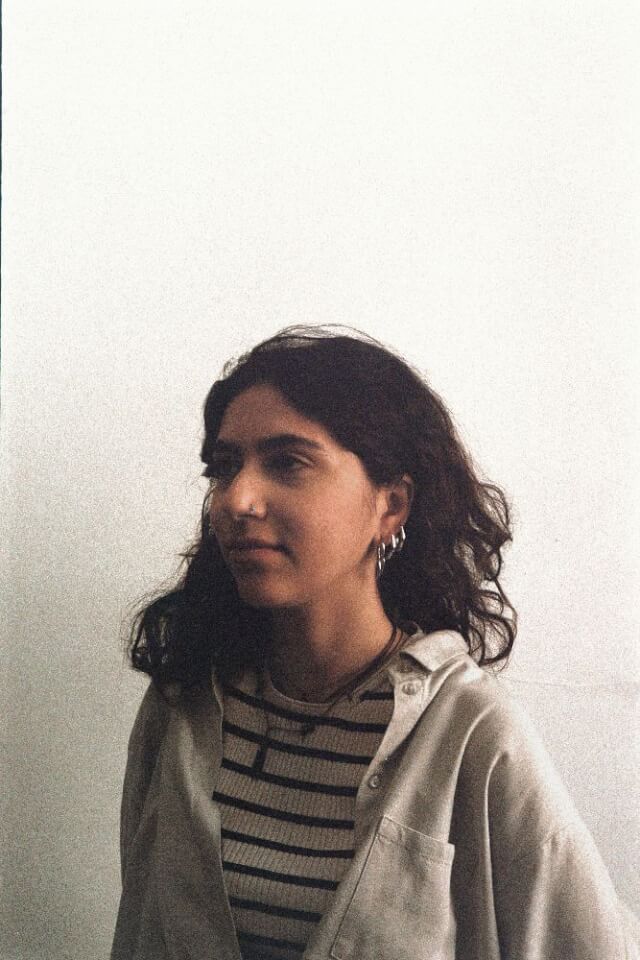
Hasti Ghasedi is a multidisciplinary artist and sound practitioner based in Vienna. Her practice explores sound, memory, voice, and the relationship between human experience and the environment. Working across sound installation, experimental music, and moving images, she explores emotions and internal states as material that can be reconstructed, harmonized, and translated into artistic form. She holds a BA in Multimedia Arts from Pars University of Architecture and Arts in Tehran and is currently pursuing an MA in Art & Science at the University of Applied Arts Vienna.
As part of the Communication Team for TTT2027 Vienna, Hasti is responsible for the creation and dissemination of social media content.
Photo credits: Hasti Ghasedi
(AT)

Hanna Hofmann is a German artist and researcher based in Vienna, currently completing her Master’s degree in Art & Science at the University of Applied Arts Vienna. She holds a BA in Visual Communication from Bauhaus University Weimar and studied Intermedia Art at Tokyo University of the Arts. Working across installation, moving image, sound, performance and creative coding, her artistic practice brings together research and scientific enquiry. She approaches art as a tool for communication, exploring language, perception, culture and translation, and the ways in which meaning shifts between different systems of knowledge.
As part of the Communication Team for TTT2027 Vienna, Hanna is responsible for the creation and dissemination of social media content.
Photo credits: Hanna Hofmann
(AT)
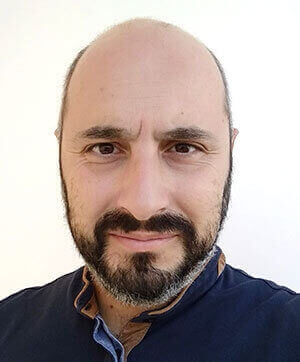
Aristeidis (Aris) Lamprogeorgos was born in Trikala of Thessaly, Greece. He studied Electrical and Computer Engineering at the University of Patras but the arts and especially painting and graphic design were always a big part of his life and professional career. He is now seeking to combine his passion for technology and the arts as a PhD candidate at the Department of Audio and Visual Arts of the Ionian University through his research on the aesthetics of the digital world in website design.
(GR)
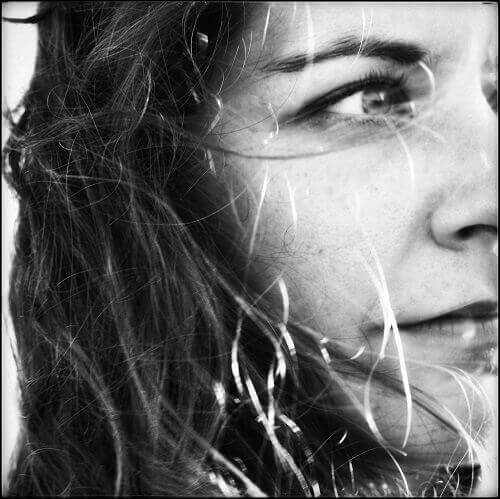
Graduate of the Department of Audio & Visual Arts of the Ionian University, Ioanna Logaki, MA, is responsible for the creation of all visual concepts related to the conference series identity and publications: logo, banners, covers, book of abstracts, program and proceedings.
(GR)
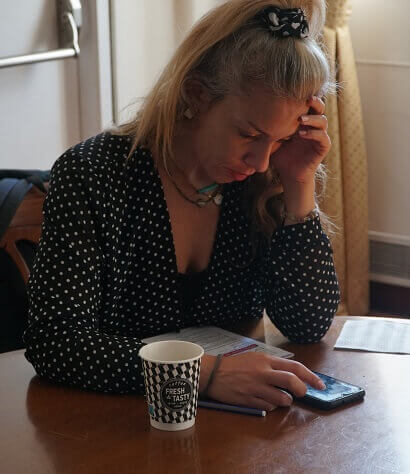
Researcher who collaborates with the Laboratory of New Technologies of the Department of Communication and Media Studies of the National and Kapodistrian University of Athens, Greece and with the Interactive Arts Lab of the Department of Audio and Visual Arts of the Ionian University, Greece.
She studied Political Science and History (Department of Political Science and History, Panteion University, Greece) and she holds an MSc in Crime Science, Jill Dando Institute of Crime Science, University College of London [UCL].
In recent years, she has been working for MEDIA42 (Communication and Digital Media of Eastern Mediterranean P.C.) as a Communication Manager.
(GR)
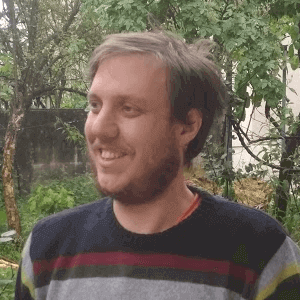
Minas Pergantis is a diplomate of the Electrical and Computer Engineering Department of the Polytechnic School of the University of Patras. He has multiple years of work experience in the private sector as a Web application programmer and Website developer.
He successfully completed the doctoral program of the Department of Audio & Visual Arts of the Ionian University and was awarded a PhD on July of 2023. His dissertation was titled "Art search online: analysis of user behaviour and search technologies"
Since September 2023 he is an active postdoctoral researcher of the Department of Audio & Visual Arts. His post doctoral research is titled "Evaluation and Optimization of User Experience in Online Digital Art Repositories".
(GR)
Hosting Institution









Ionian University
Secretariat - Conference TTT Webteam
Tsirigoti Square 7, 49100 Corfu
Ionian Islands Region, Greece
av-ttt@ionio.gr


